
Learn Guitar Scales the Smart Way: How to Turn Scales into Solos
Most guitarists practice scales mechanically: up and down the fretboard, over and over. They sound like exercises — not music.
As a session musician, I’ve seen countless players waste years running scales without ever knowing how to apply them. The missing link isn’t speed or memorisation — it’s understanding how scales fit into music, and how to target the right notes when improvising.
This post will show you how to learn scales intelligently, so you can turn them into solos that actually sound musical — not robotic — and apply directly to songs you play.
But, before we do, if you're not familiar with all five pentatonic shapes, start here!
Why Practicing Scales Alone Isn’t Enough
Practicing scales just to “know them” creates two problems:
-
You don’t connect notes to chords — so improvisation is random.
-
You don’t understand intervals — so your solos lack colour and musicality.
The key is to learn scales alongside intervals and chord tones, so every note you play has purpose.
Step 1: Understand the Structure of Your Scales
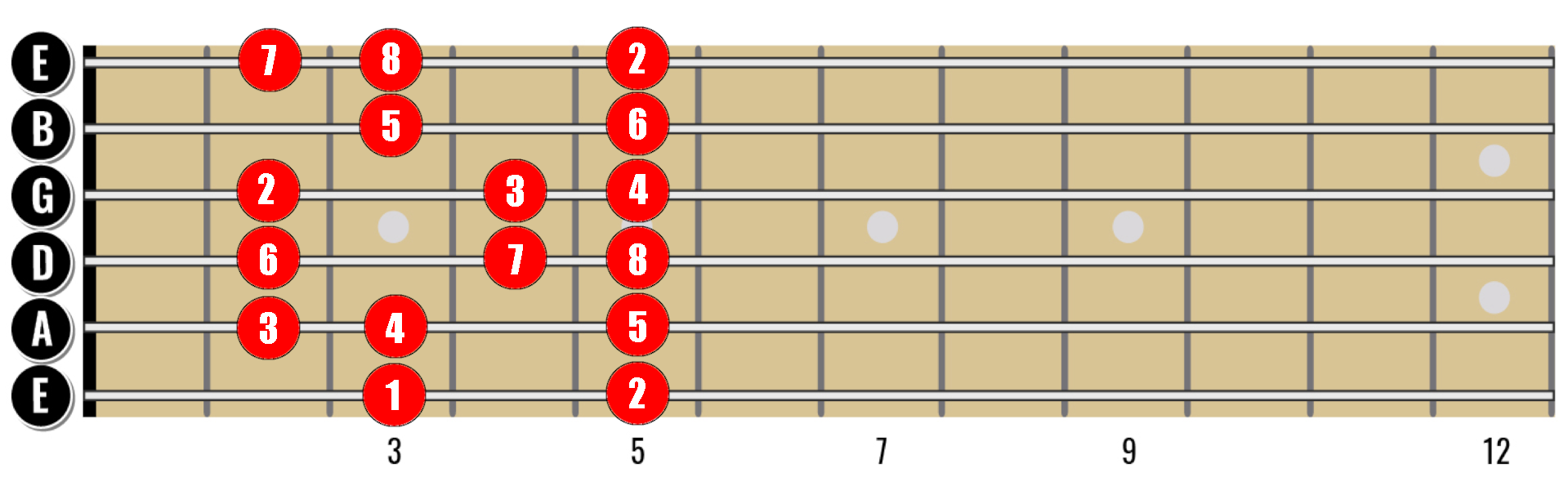
Before anything else, you need to know:
-
The root note of your scale
-
The intervals (major, minor, perfect, etc.) between notes
-
Where chord tones lie within the scale
Why it matters: Once you can see chord tones in a scale, you know exactly which notes to target for solos that sound intentional.
Step 2: Practice Scale Shapes Strategically
Use the fretboard patterns you learned in the 10-day Fretboard Freedom program:
-
Start on the low E and A strings
-
Map the scale using octave shapes
-
Play the scale slowly while naming the intervals aloud
This builds muscle memory + theory awareness, so your fingers and brain are working together.
Step 3: Connect Scales to Chords
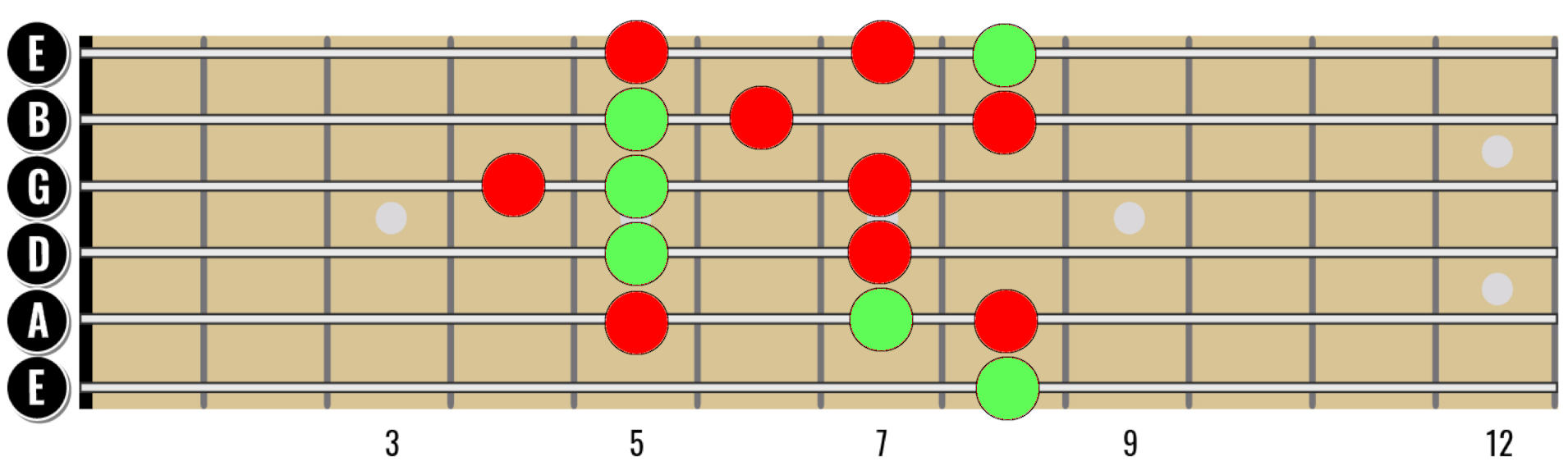
Now, take the chord progression you’re working on and:
-
Identify the chord tones in each chord
-
Use the scale to highlight color notes around the chord tones
-
Practice improvising lines that target chord tones first, then add passing notes
This is what separates solos that sound musical from solos that sound like random note patterns.
Step 4: Apply Musical Phrasing
Scales aren’t just patterns — they’re tools to express musical ideas.
-
Think in short phrases, not endless runs
-
Leave space — don’t fill every beat
-
Use slides, bends, hammer-ons, and pull-offs to make notes sing
Even a simple three-note phrase can sound professional if it targets the right chord tones.
Pro Tips From Real-World Experience
-
Improvise over backing tracks — nothing replaces musical context
-
Record yourself — hear which notes sound connected and which don’t
-
Slow practice is key — speed comes naturally once your fingers and ears understand the scale
What Happens When You Learn Scales the Smart Way
-
Improvisation becomes musical and intentional
-
Solos sound connected to the chords underneath
-
You can target chord tones and color notes naturally
-
Your fretboard knowledge finally becomes a tool, not a memorization chore
This is exactly how I approach solos in sessions and live gigs — musical, purposeful, and confident.
Next Step
If you want step-by-step exercises, scale diagrams, and daily guidance, the Fretboard Freedom mini course takes everything in this post and gives you a practical path to soloing fluently across the fretboard.

