
Stuck in Pentatonic Box 1? Here’s How to Escape
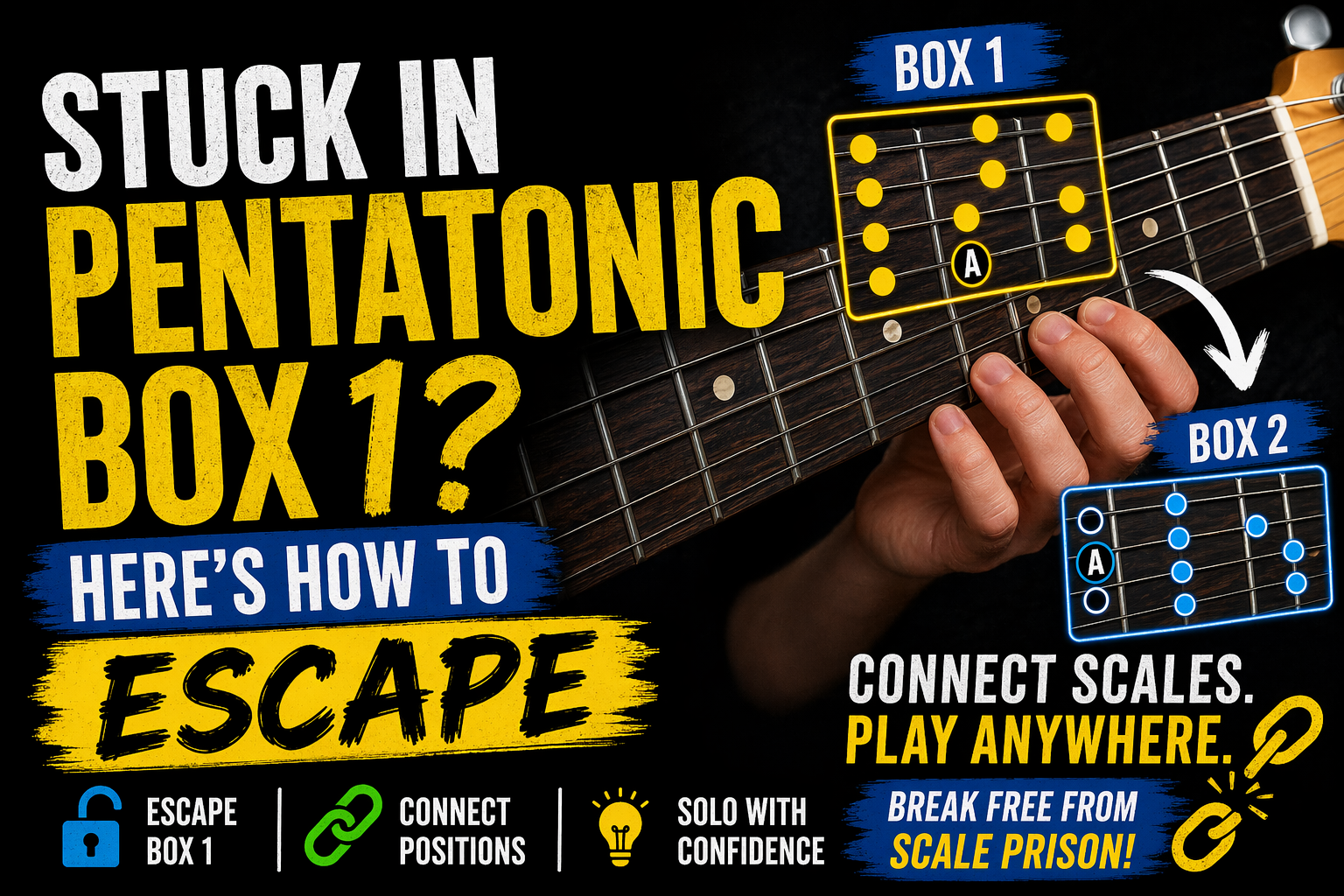
If your guitar solos always sound the same… If you always start in the exact same place… If your fingers automatically run to Box 1 of the pentatonic scale every time you improvise…
You’re not alone.
This is one of the most common frustrations guitar players face after learning pentatonic scales.
You learn one shape. You get comfortable there. Then suddenly every solo sounds repetitive because you never leave that position.
The good news? This problem is completely fixable!
And once you understand how to connect pentatonic scales across the neck, your soloing instantly feels more musical and creative.
If you're still learning the overall fretboard, start with the full guide here:
https://www.playlikeaproguitar.com/blog/UltimateGuidetoLearningGuitarFretboard
And if you haven't read my fretboard navigation article yet:
https://www.playlikeaproguitar.com/blog/UnlockTheFretboard
Why Most Guitar Players Get Stuck In Box 1
Box 1 feels safe. It’s usually the first pentatonic shape guitar players learn.
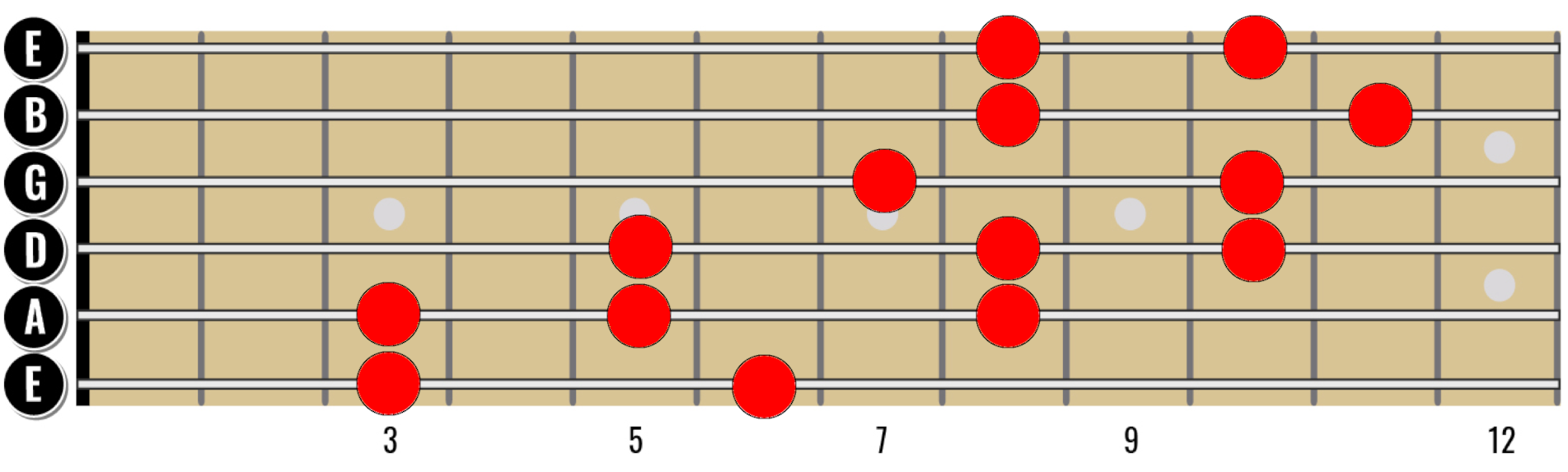
For example, G minor pentatonic:
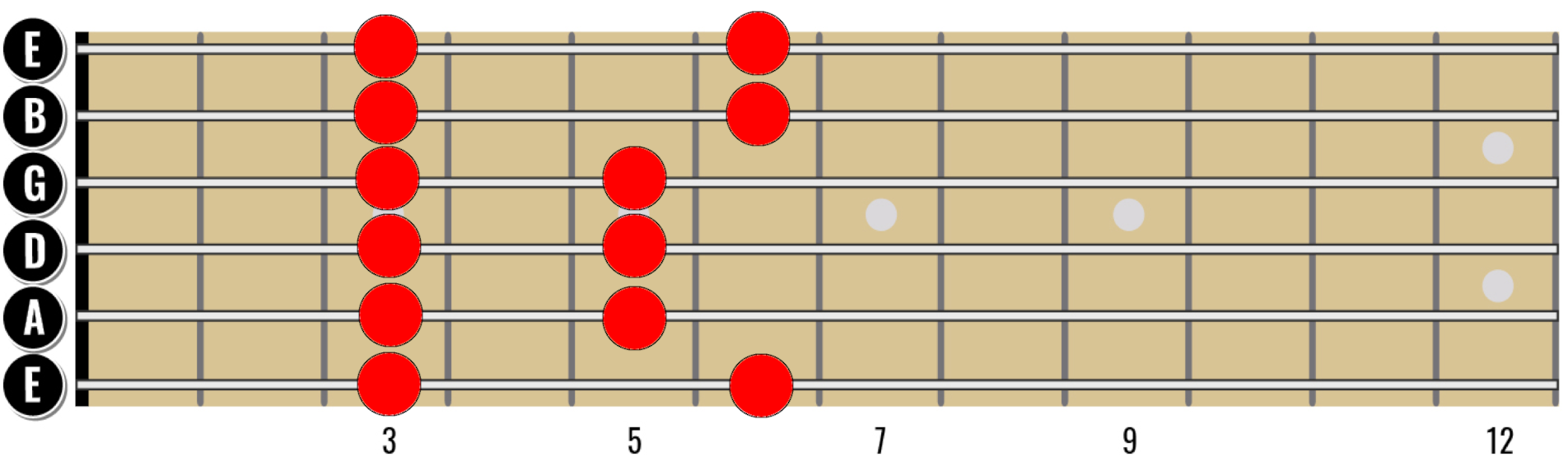
You likely know this pattern well. The problem? Many players stop there. They memorise the shape…but never understand how it connects to the rest of the neck. This creates what I call:
“Scale prison.”
You know one shape. But the rest of the neck feels invisible!
Why This Hurts Your Solos
When you only use Box 1:
- Your solos become repetitive
- Your phrasing becomes predictable
- You run out of ideas quickly
- You struggle changing keys
- You don’t fully understand the neck
Most players think: "I need more licks." But that’s rarely the issue. You need better fretboard awareness.
Learn Box 2 Immediately
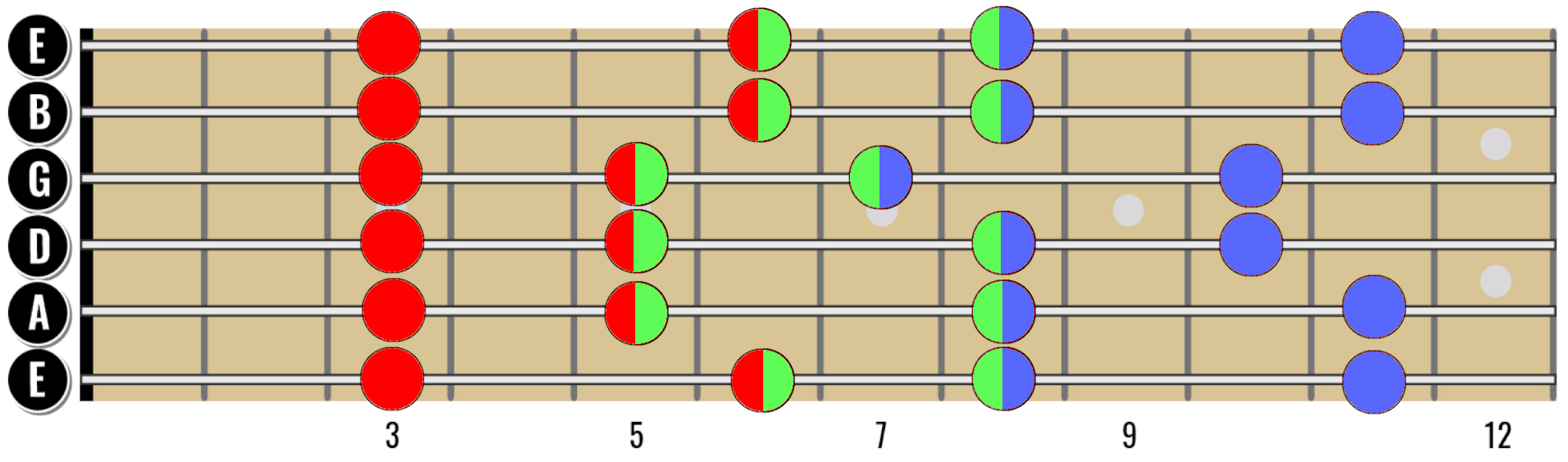
The fastest way to escape Box 1 is learning Box 2 right next to it.
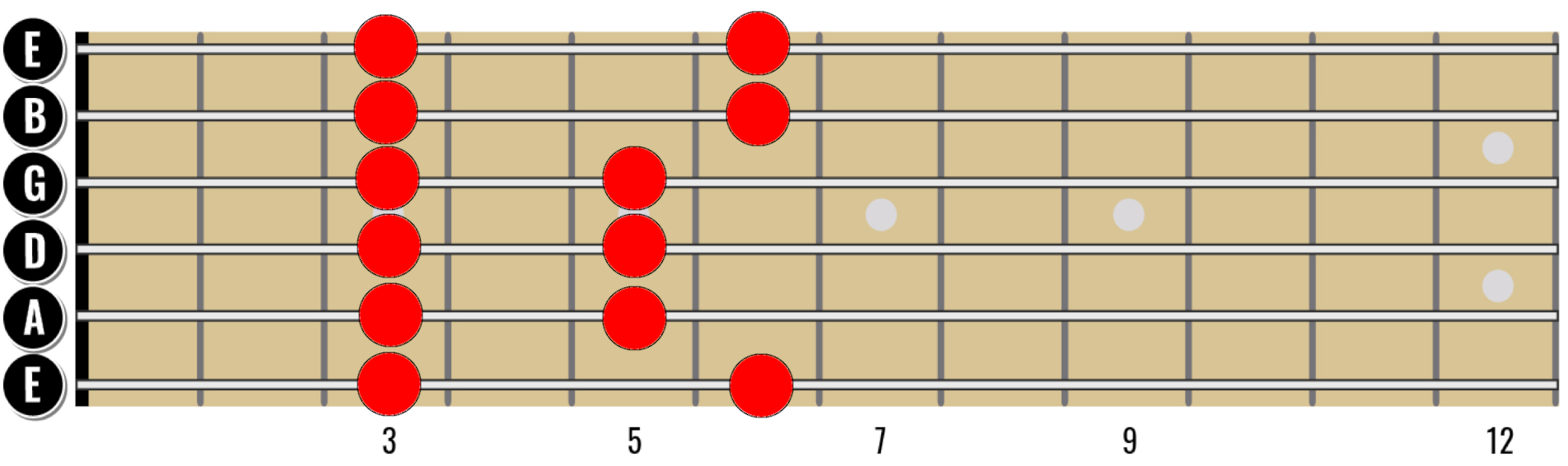
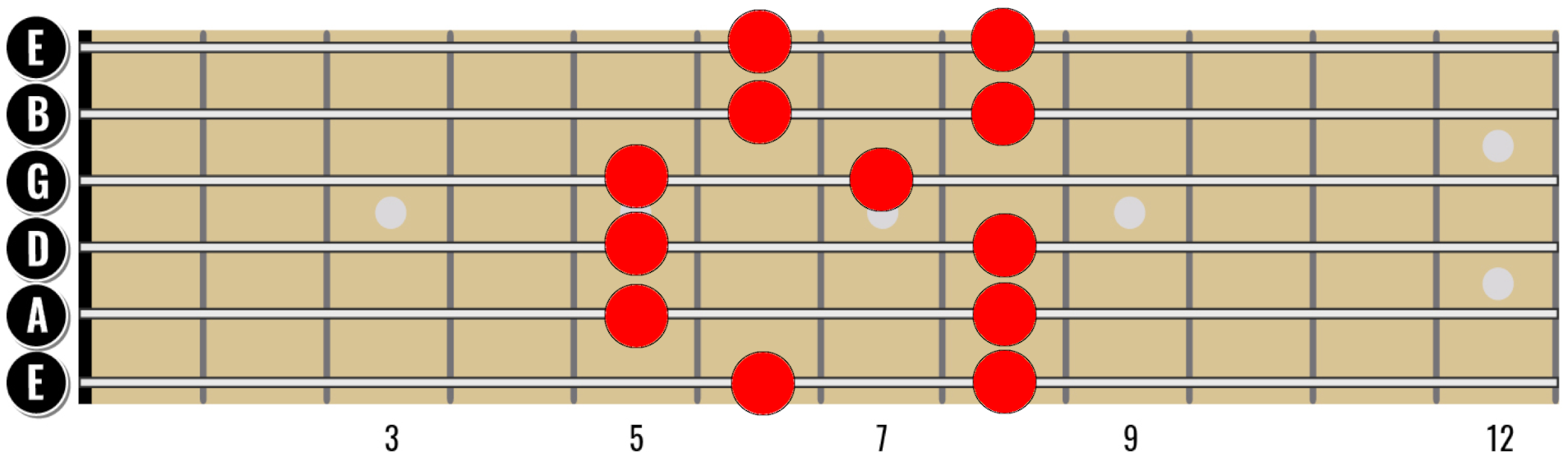
For G minor pentatonic:
Box 1 starts at the 3rd fret:
Box 2 begins at the 6th fret:
Practice moving between both positions without stopping.
Example exercise: Play Box 1 ascending, Shift into Box 2. Descend back into Box 1. Repeat slowly.
Use Anchor Notes
This is where most lessons fail people. Don’t think in patterns only. Focus on root notes.
For G minor pentatonic, G notes become your anchor points. Find every G note across both shapes. This helps you visualise the neck much faster and learn the notes of the fretboard.
This also connects directly to learning your fretboard notes: https://www.playlikeaproguitar.com/blog/MemoriseNotesOnTheFretboard
Use Horizontal Playing
Most players only play vertically. Start moving horizontally.
Example: Play one string at a time across multiple positions. This trains you to stop thinking in isolated boxes.
Practice Connecting Phrases
Instead of running scales up and down, try creating small phrases that move between positions. This sounds far more musical!
Learn All Five Pentatonic Positions
Eventually you need all five shapes. But don’t overwhelm yourself.
Master: Box 1 → Box 2 → Box 3
Then expand further.
Common Mistakes To Avoid
Playing too fast: Slow practice builds awareness.
Memorising shapes without notes: This creates long-term confusion.
Never practicing transitions: Transitions are everything.
Learning random licks instead: Licks won’t solve neck awareness.
How Fretboard Freedom Helps
This is exactly why I created Fretboard Freedom.
Inside the course you’ll learn:
- Pentatonic connections
- Fretboard visualisation
- CAGED navigation
- Intervals
- Arpeggios
- How to stop feeling trapped in shapes
Check it out here:
https://www.playlikeaproguitar.com/fretboardfreedom
Final Thoughts
Being stuck in Box 1 isn’t a talent issue. It’s a mapping issue.
Once you understand how scales connect, the neck starts opening up fast.
Start with the full roadmap:
Ultimate Guide:
https://www.playlikeaproguitar.com/blog/UltimateGuidetoLearningGuitarFretboard
Then dive deeper here:

