
What Are Guitar Arpeggios? (And Why They Unlock The Fretboard)
If you’ve heard guitar players talk about arpeggios and thought: "What exactly are arpeggios?" You’re not alone.
Many players hear terms like:
triads
arpeggios
intervals
chord tones
…and immediately feel overwhelmed.
The good news? Arpeggios are much simpler than they sound. And they can completely transform your fretboard understanding.
If you’re still learning basic fretboard navigation first, start here:
https://www.playlikeaproguitar.com/blog/UltimateGuidetoLearningGuitarFretboard
What Is An Arpeggio?
An arpeggio is simply a chord played one note at a time.
Example: A minor chord contains:
A, C, E
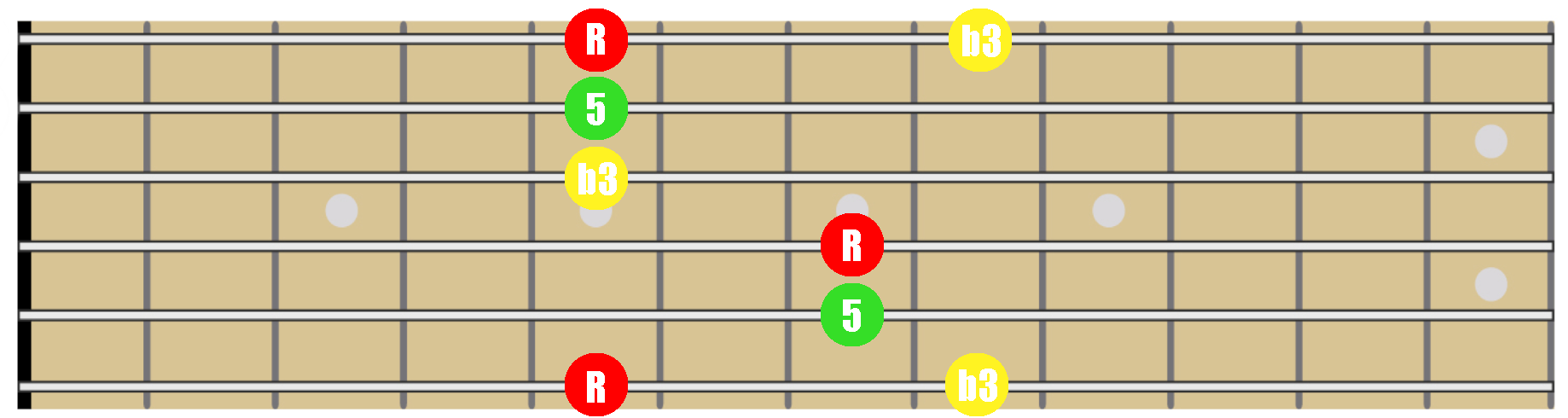
Playing those notes individually creates an arpeggio. That’s it.
Why Arpeggios Matter
Arpeggios help you:
- understand chords
- visualise the neck
- target strong notes
- connect scales
- improve soloing
This is why they’re so powerful.
Arpeggios vs Scale Shapes
Scales give you options. Arpeggios highlight strong chord tones.
They work best together.
Read:
https://www.playlikeaproguitar.com/blog/ConnectPentatonicScaleShapes
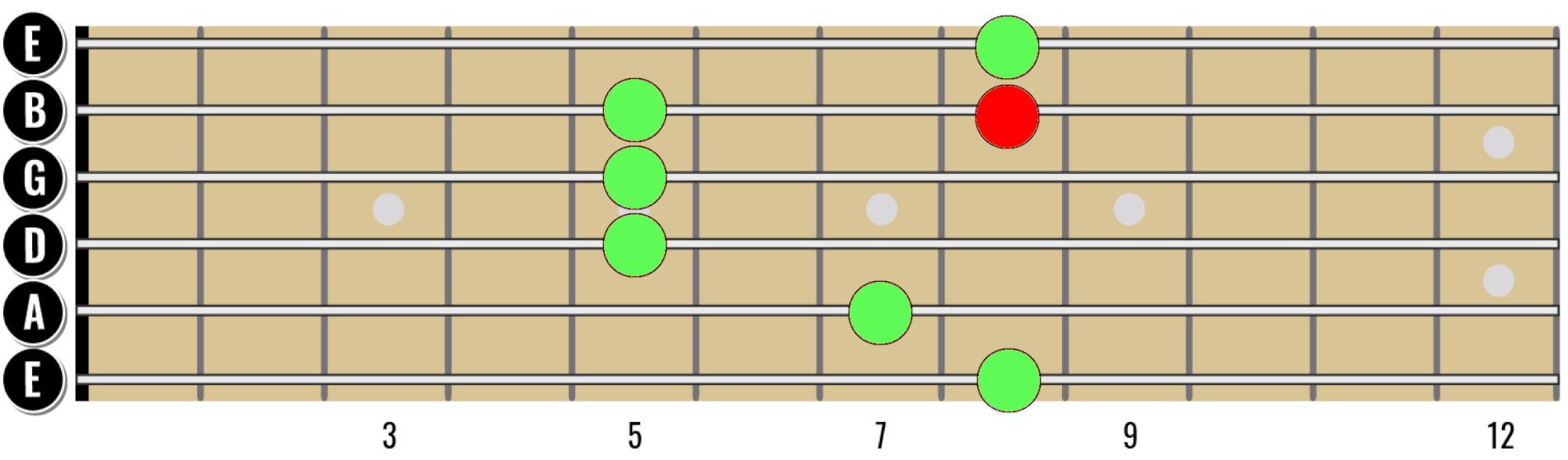
Arpeggios and CAGED
Arpeggios connect directly to CAGED shapes.
Read:
https://www.playlikeaproguitar.com/blog/WhatIsCAGEDSystem
Start With Major Triads
Don’t jump into advanced jazz concepts.
Start simple:
1, 3, 5
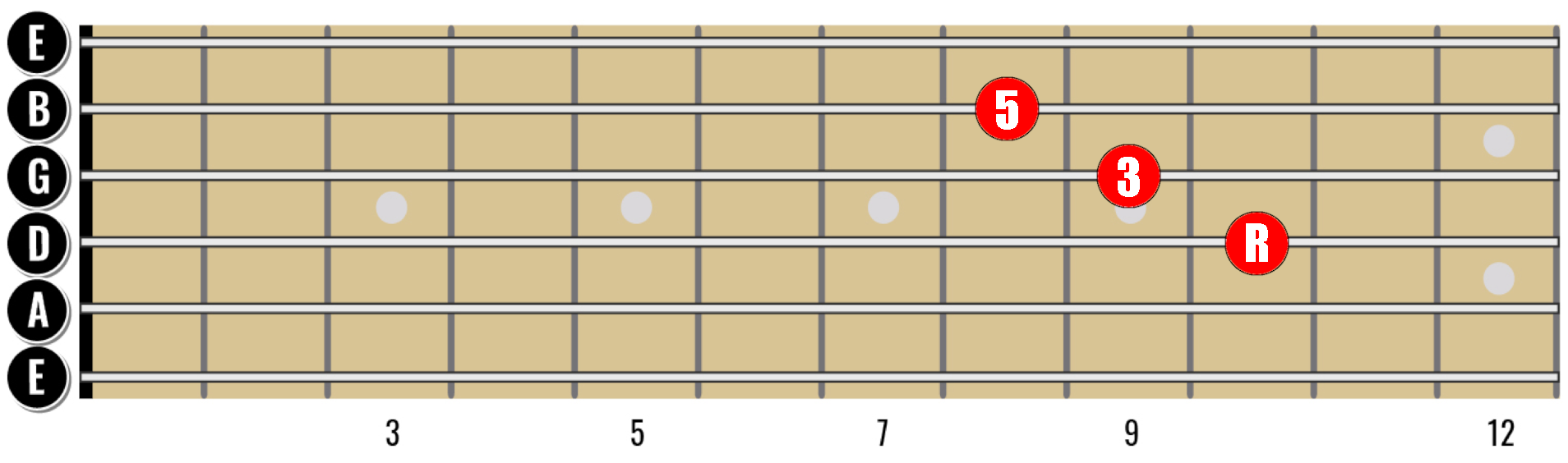
Then, expand on these shapes to create full arpeggios.
Learn Minor Triads Next
1, b3, 5
Practice Across The Neck
Avoid learning one position only. This is where fretboard mastery happens. Explore arpeggios and triads around your known scale and chord shapes.
Common Mistakes
- learning too many shapes
- avoiding note names
- practicing too fast
How Fretboard Freedom Helps
I created an easy to follow, step by step program to help players understand all of this and begin playing freely across the neck. Check it out here:
https://www.playlikeaproguitar.com/fretboardfreedom
Final Thoughts
Arpeggios help you stop seeing random shapes and start seeing music. You stop playing randomly and start intentionally targeting notes across the fretboard. Chords become easier to see. The fretboard becomes one large playground for expression.

