
Guitar Fretboard Exercises That Actually Work
Learning the guitar fretboard can feel overwhelming. You memorise scales… Learn shapes… Watch YouTube tutorials…
And somehow still feel lost when you try to move around the neck.
The problem?
Most guitar players practice the wrong things. They spend hours running scales mechanically instead of building actual fretboard awareness.
These exercises will help you learn the guitar neck faster and finally understand how everything connects.
If you're completely new to fretboard learning, start here first:
https://www.playlikeaproguitar.com/blog/UltimateGuidetoLearningGuitarFretboard
And if you haven't learned your notes yet:
https://www.playlikeaproguitar.com/blog/MemoriseNotesOnTheFretboard
Exercise 1: Random Note Drill
This is one of the fastest ways to memorise notes.
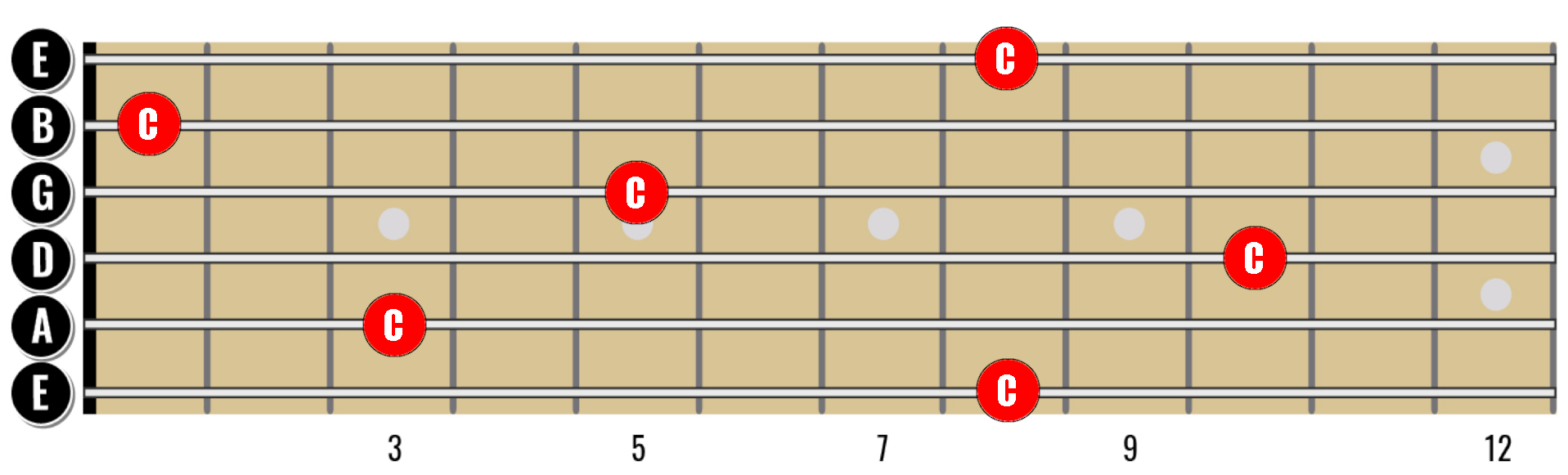
Ask yourself:
"What note is on the 8th fret of the low E string?"
"What note is on the 3rd fret of the G string?"
Answer quickly. Do this for 5 minutes daily. This dramatically improves note recall.
Exercise 2: Octave Shape Exercise
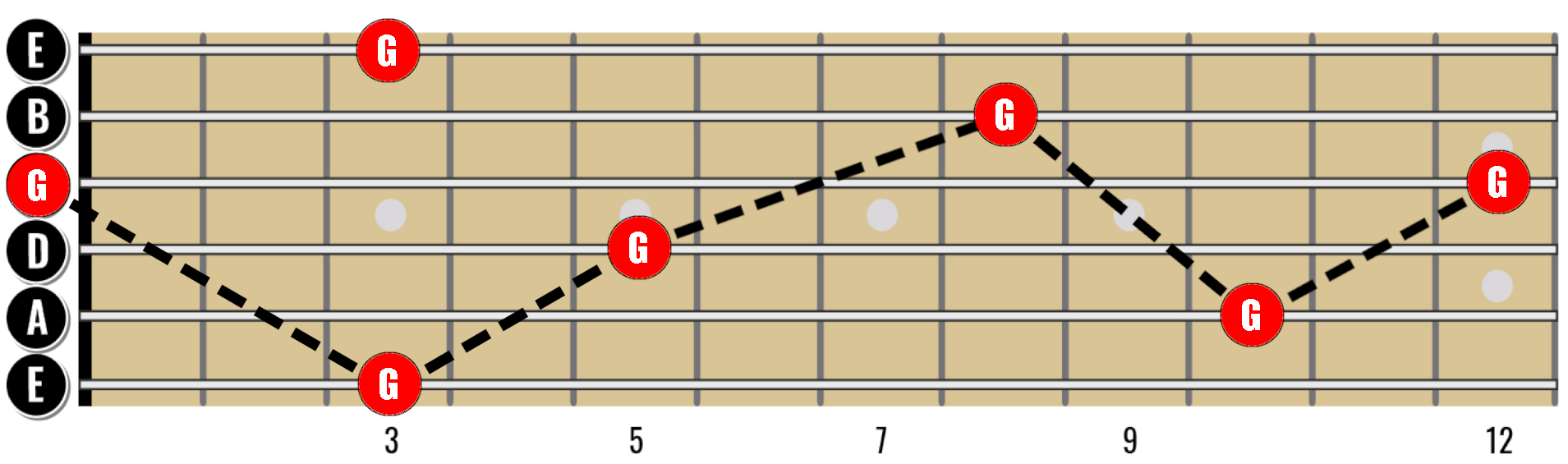
Pick one note. Example: G
Now find every G note on the fretboard. Use octave patterns to locate them quickly. This improves fretboard visualisation.
Exercise 3: One String Scale Exercise
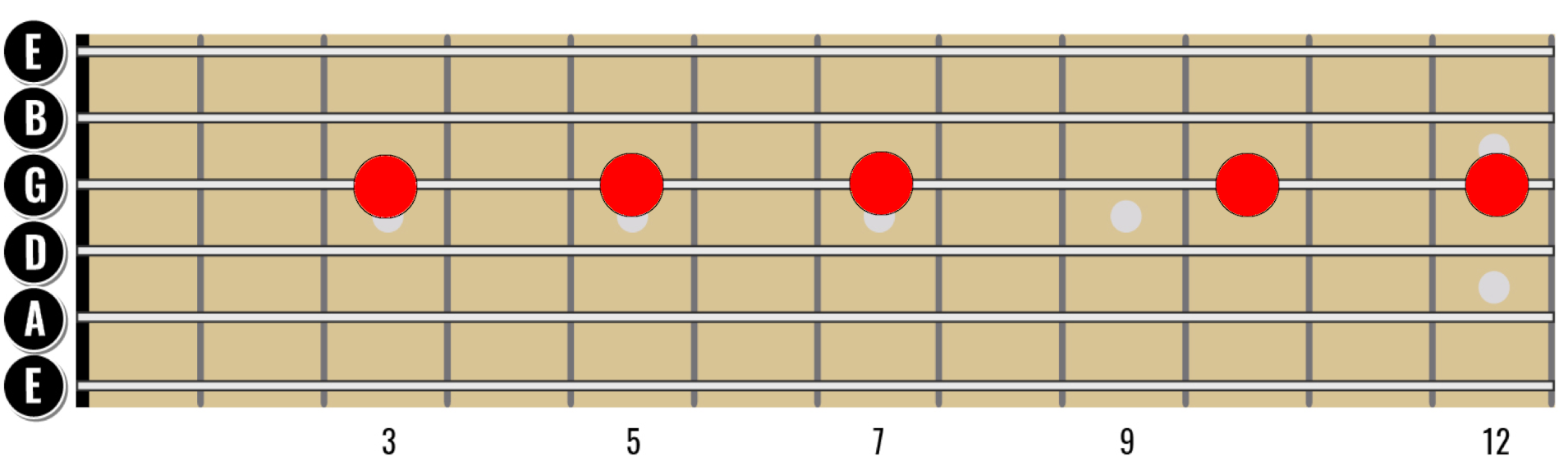
Most players practice vertically. Instead, try playing scales on one string only.
This forces horizontal movement.
This pairs perfectly with:
https://www.playlikeaproguitar.com/blog/ConnectPentatonicScaleShapes
Exercise 4: Root Note Mapping
Take one chord. Example: C major
Find every C root note across the neck.
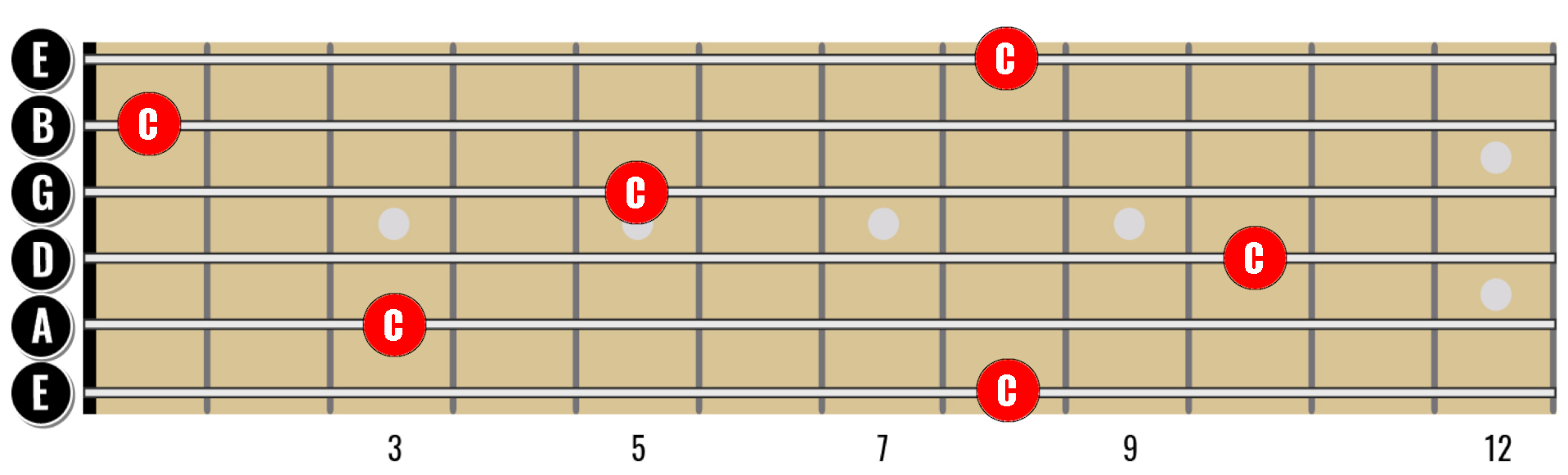
This helps connect:
- chords
- scales
- arpeggios
Exercise 5: CAGED Shape Drill
Choose one key and map all five CAGED positions.
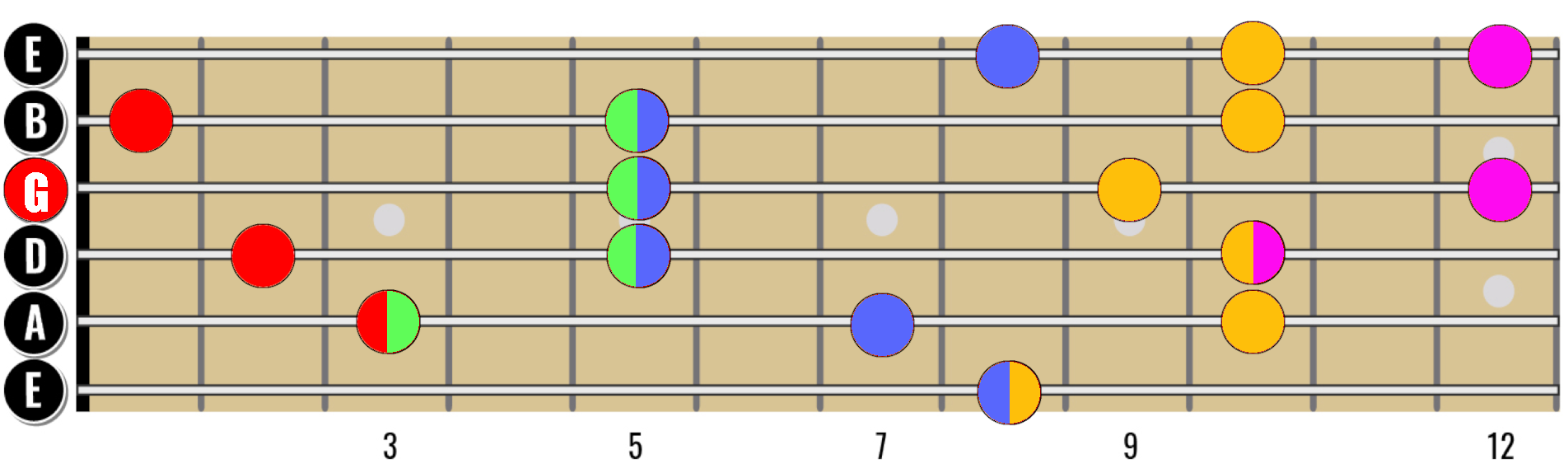
This strengthens:
- chord visualisation
- neck awareness
Read this next:
https://www.playlikeaproguitar.com/blog/WhatIsCAGEDSystem
And:
https://www.playlikeaproguitar.com/blog/HowToUseCAGEDSystem
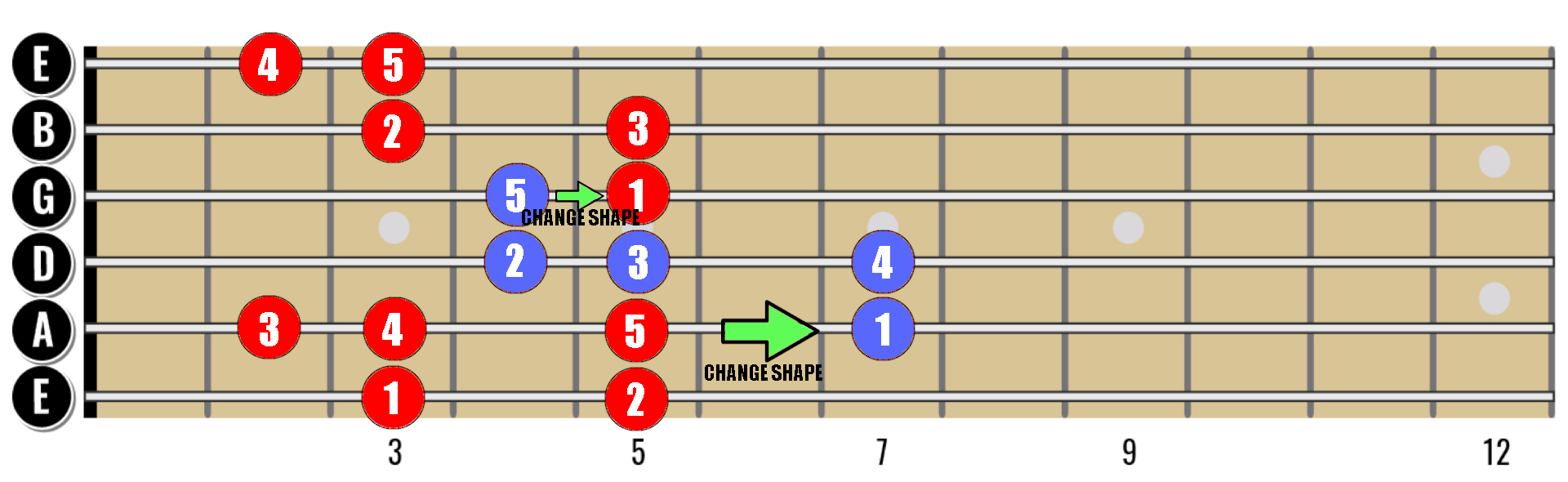
Exercise 6: Pentatonic Position Shifting
Practice moving between:
Box 1 → Box 2
Box 2 → Box 3
This eliminates box dependency.
Also read:
https://www.playlikeaproguitar.com/blog/StuckInPentatonicBox1
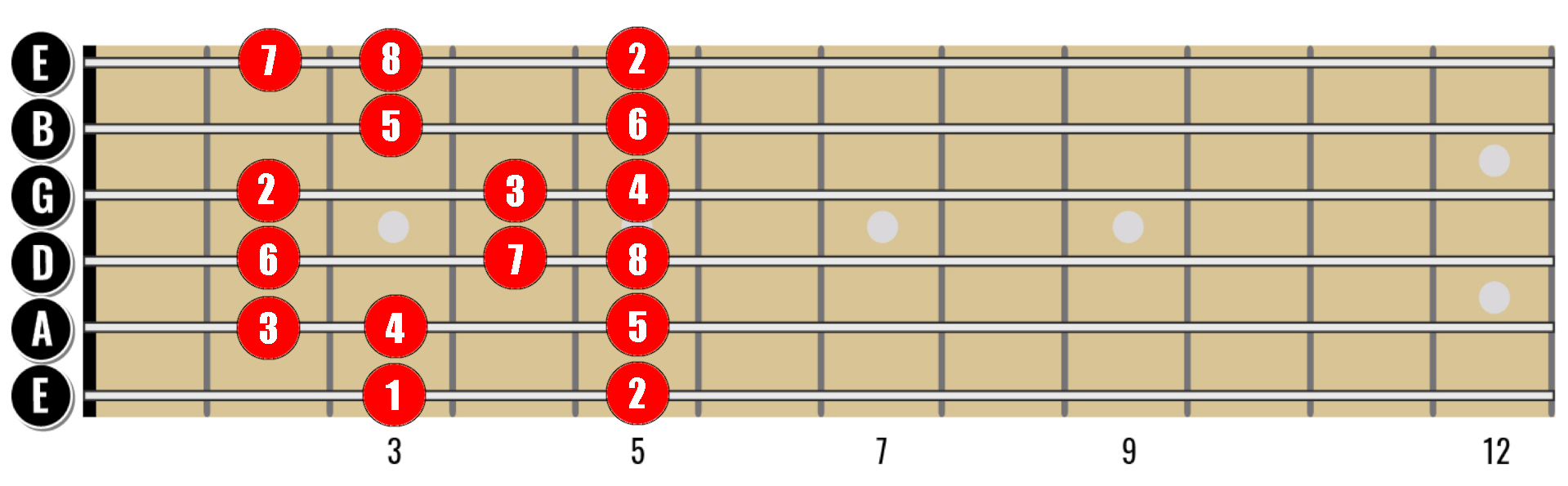
Exercise 7: Interval Recognition
Choose a root note.
Find:
- major 3rd
- perfect 5th
- minor 7th
This builds deeper understanding.
How Often Should You Practice?
10–15 focused minutes daily beats random one-hour sessions. Consistency wins. Remember, you always want to compound your practice. Build on each session.
Common Mistakes To Avoid
Running scales mindlessly
Low value.
Never learning note names
Huge mistake.
Only practicing shapes
Creates limitations.
Ignoring real musical application
Critical problem.
How Fretboard Freedom Helps
These exercises are powerful.
But having a complete roadmap accelerates progress even faster.
Inside Fretboard Freedom you’ll learn:
- note memorization
- pentatonic connections
- CAGED integration
- intervals
- arpeggios
- complete fretboard navigation
Check it out here:
https://www.playlikeaproguitar.com/fretboardfreedom
Final Thoughts
The guitar fretboard becomes much easier when you practice exercises that build awareness instead of repetition.
Start with the full roadmap:
https://www.playlikeaproguitar.com/blog/UltimateGuidetoLearningGuitarFretboard
And accelerate your learning here:

